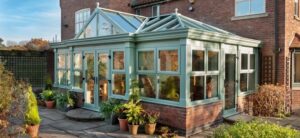
Why Nobody Cares About Repairing Conservatory Frames


Repairing Conservatory Frames: A Comprehensive Guide
Conservatories have become a cherished staple in numerous homes, providing an unified mix of indoor convenience and outdoor charm. They function as sunlit lounges, dynamic greenhouses, or tranquil retreats, enhancing both the aesthetic appeal and worth of a home. However, like all structures, conservatories go through use and tear, particularly their frames. Gradually, direct exposure to the components, and general aging can cause damage that necessitates repairs. This short article offers a comprehensive guide on repairing conservatory frames, attending to typical issues, detailing repair techniques, and recommending preventative steps to extend your conservatory's lifespan.
Common Issues with Conservatory Frames
Understanding the common problems faced by conservatory frames is essential to reliable repairs. Here are some regularly encountered issues:
- Water Damage: Over time, water can leak into frames, resulting in rotting wood or rusting metal.
- Damages and Scratches: Everyday wear and tear can produce unsightly dents and scratches on different frame materials.
- Contorting or Bowing: Changes in temperature and humidity can cause frames to warp or bow, impacting structural integrity and aesthetics.
- Failed Seals: The seals around the glass panels can deteriorate, causing leaks and condensation build-up.
- Rust and Corrosion: Frames made from metal can experience rust and rust, particularly if not sufficiently secured versus wetness.
Evaluating the Damage
Before embarking on any repairs, it's essential to assess the damage completely:
- Inspect the Frames: Look for visible signs of damage such as cracks, bowing, or decay. Use a screwdriver or comparable tool to examine the solidity of wooden frames.
- Inspect the Seals: Examine the seals around glass panels for indications of degeneration.
- Assess the Glazing Bars: Ensure there are no signs of rust or decay on the bars holding the glass panes.
After this assessment, you can continue with the proper repairs based upon the determined issues.
Repair Methods for Conservatory Frames
The repair methods will vary based on the type of frame-- wood, aluminum, or UPVC (unplasticized polyvinyl chloride). The following describes the most typical repair methods:
1. Wooden Frames
- Repairing Rot: For minor rot, remove the damaged location with a sculpt. Deal with the exposed location with wood preservative before using epoxy wood filler to restore its shape. Sand smooth when dry.
- Loose Connections: Tighten any loose screws or joints and apply wood glue where required. In Repair My Windows And Doors , brackets might require to be set up to strengthen structural integrity.
- Sanding and Refinishing: Sand down scratches and dents and use a primer followed by weather-resistant paint or varnish to protect the wood.
2. Aluminum Frames
- Cleaning up and Touch-up: Remove any deterioration with a wire brush and tidy the frame using a detergent solution. Use a touch-up paint developed for metal to cover scratches and chips.
- Sealing Joints: Inspect the joints for loose screws or rivets. Tighten them thoroughly and use a silicone sealant to prevent water ingress.
3. UPVC Frames
- Cleaning up: Use a non-abrasive cleaner to get rid of discolorations and dirt. Avoid utilizing anything that might scratch the UPVC surface.
- Sealing Leaks: Check the seals around the glass panes. If they are worn, replace them with brand-new rubber seals to avoid leaks.
- Repairing Cracks: Small fractures can be repaired with a UPVC adhesive. For larger cracks, areas might need to be changed entirely.
Preventative Maintenance Tips
Preventing frame damage is typically much easier and more economical than repairing it. Here are essential tips to keep your conservatory frames:
- Regular Inspections: Conduct biannual checks of the frames and seals to capture any signs of wear early.
- Cleaning up: Regularly tidy the frames and glass to lessen the build-up of dirt and grime which can cause degeneration.
- Seal Maintenance: Regularly check and change seals to prevent leaks. Guarantee they are cleaned and totally free from debris.
- Weatherproofing: Consider applying a weatherproofing agent ideal for the frame material. This can include an additional layer of protection from the elements.
- Plant life Management: Trim any overhanging branches or plant life around the conservatory that could possibly scratch or damage the frames throughout storms or heavy winds.
Regularly Asked Questions
1. How frequently should I inspect my conservatory frames?
It is recommended to check your conservatory frames twice a year, preferably in spring and autumn, to catch any prospective issues before they aggravate.
2. Can I repair conservatory frames myself?
Numerous minor repairs can be done by homeowners with fundamental DIY skills. Nevertheless, for extensive damage or structural issues, it's best to speak with a professional for repairs.
3. When should I consider replacing frames instead of repairing them?
If the damages are substantial and affect the structural stability or if the products have reached the end of their life expectancy, it may be more cost-efficient to change the frames.
4. What is the best material for conservatory frames?
Each material has its advantages; wood offers visual appeal, aluminum is exceptionally long lasting, and UPVC is low-maintenance. The very best material depends upon specific requirements and ecological conditions.
5. How can I reduce condensation in my conservatory?
Enhancing ventilation through windows, utilizing dehumidifiers, and guaranteeing adequate insulation can help reduce condensation in your conservatory.
In conclusion, the maintenance and repair of conservatory frames are vital for sustaining the elegance and performance of this beloved home function. Armed with the understanding of typical issues, repair strategies, and preventative procedures, homeowners can ensure their conservatory stays a valued space for years to come. Regular maintenance not only improves aesthetics but also preserves the stability and value of the property, making it well worth the effort.